
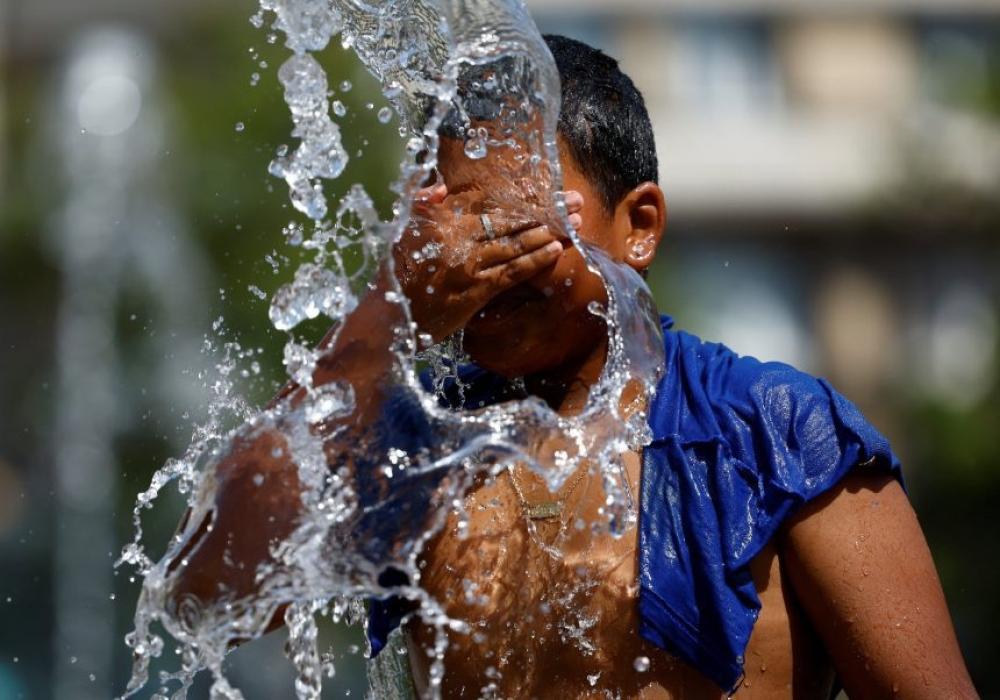
Intense heat is a natural phenomenon that greatly affects human health, especially in light of current climate changes and increasing global temperatures. The effects of extreme heat range from minor health problems such as fatigue and excessive sweating, to serious conditions such as heatstroke and dehydration, which can be fatal if not treated properly.
**The effect of heat intensity on the human body:**
1. **Heat exhaustion:** It occurs when the body loses large amounts of water and salts as a result of excessive sweating, which leads to a feeling of fatigue, dizziness, and headaches. This condition may develop into heatstroke if not treated quickly.
2. **Heatstroke:** It is considered one of the most dangerous effects of intense heat, and it occurs when the body fails to regulate its internal temperature. Its symptoms include a very high body temperature, loss of consciousness, and dry skin. This condition requires immediate medical intervention.
3. **Dehydration:** Losing large amounts of water from the body leads to a decrease in blood volume, which affects the functions of vital organs such as the kidneys and heart. Dehydration can cause serious health problems that require immediate treatment.
4. **Heat cramps:** They occur as a result of the loss of salts and minerals from the body, which leads to painful muscle contractions, especially in the abdomen, arms, and legs.
**Groups most vulnerable to extreme heat:**
1. **Children and the elderly:** These groups have a lesser ability to regulate their body temperature and adapt to climate changes, which makes them more vulnerable to heat stress.
2. **People who suffer from chronic diseases:** such as patients with heart, kidney, and diabetes, are more susceptible to being affected by severe heat due to their bodies’ weak ability to adapt.
3. **Workers and people who work outdoors:** They are directly exposed to sunlight and high temperatures, which increases the risk of heat exhaustion.
**Preventive measures to protect against extreme heat:**
1. **Staying in air-conditioned places:** It is preferable to stay in air-conditioned places during the hot periods of the day to avoid direct exposure to the sun.
2. **Drink sufficient amounts of water:** You must drink sufficient amounts of water to replace fluids lost due to sweating.
3. **Wear light and loose clothing:** Light and loose clothing helps cool the body and avoid overheating.
4. **Avoid strenuous physical activities:** It is preferable to avoid strenuous physical activities during hot periods of the day and do them early in the morning or evening.
5. **Using sunscreen:** It is recommended to use sunscreen to protect the skin from harmful ultraviolet rays.
**Conclusion:**
The intensity of heat has serious effects on human health, and the necessary preventive measures must be taken to avoid heat exhaustion and heat stroke. Awareness of the importance of keeping the body hydrated and cool can help reduce the risks associated with extreme heat. It is necessary to educate society on how to deal with heat waves and pay attention to the groups most at risk to ensure their health and safety.