
A WHO global report on reducing sodium intake, the first of its kind, shows that the world is off track to meet its global target of reducing sodium intake by 30% by 2025.
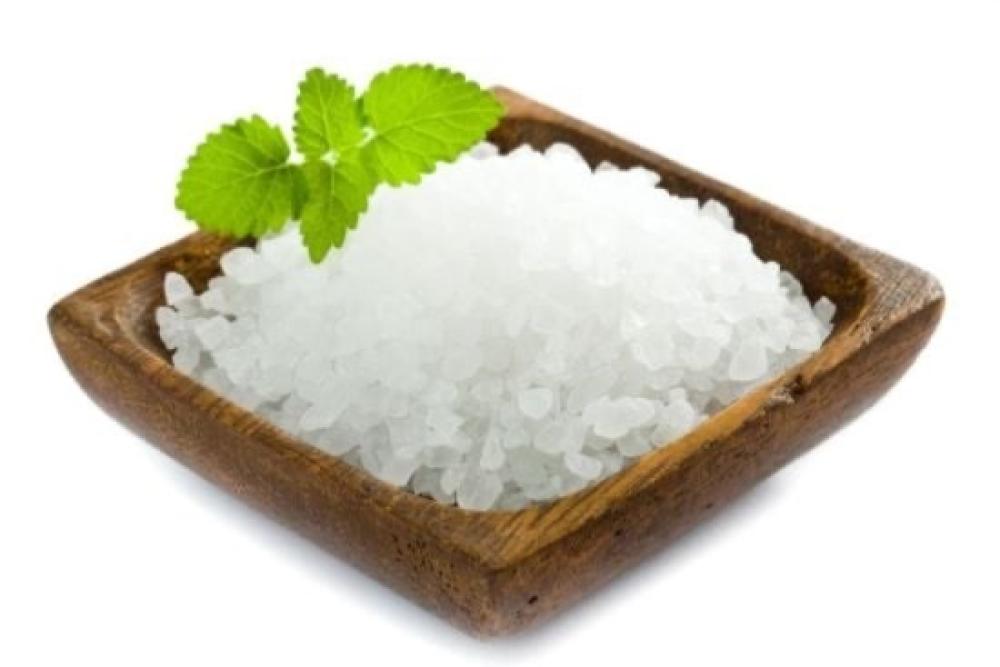
Sodium, an essential nutrient, increases the risk of heart diseases such as stroke and premature death if consumed in excess. The main source of sodium is table salt (sodium chloride), but it is also found in other spices such as sodium glutamate. The report shows that only 5% of OIC member states are protected by comprehensive mandatory sodium reduction policies and that 73% of OIC member states lack the full scope of implementing these policies.
Implementing cost-effective policies to reduce sodium intake would save the lives of an estimated 7 million people worldwide by 2030, and is an important component of work to achieve the Sustainable Development Goal goal of reducing deaths from noncommunicable diseases. However, only nine countries (Brazil, Chile, Czech Republic, Lithuania, Malaysia, Mexico, Saudi Arabia, Spain and Uruguay) currently have a comprehensive set of recommended policies to reduce sodium intake.
Dr. Tedros Adhanom Ghebreyesus, Director-General of the Organization, said: “Unhealthy diets are one of the leading causes of death and disease in the world, and excessive sodium intake is one of the main causes. This report shows that most countries in the world have not yet adopted any mandatory policies to reduce sodium intake, This puts their people at risk of heart attacks, strokes and other health problems. The organization calls on all countries to implement “best options” to reduce sodium intake, and calls on manufacturers to implement the organization’s standards regarding the sodium content of foods.
The comprehensive approach to reducing sodium intake includes the adoption of mandatory policies and four WHO sodium interventions that represent the best options and contribute significantly to the prevention of noncommunicable diseases. These interventions include:
1- Reformulating foods to contain less salt, and setting targets for the amount of sodium in foods and meals
2- Develop general food purchasing policies aimed at reducing foods high in salt or sodium in public institutions such as hospitals, schools, workplaces, and care homes.
3- Labeling the front of packages to help consumers choose products that contain less sodium
4- Organizing behavior change communication campaigns and mass media campaigns to reduce salt/sodium consumption
Countries are encouraged to set targets on the sodium content of processed foods, in line with WHO's global sodium standards, and enforce them through policies.
Mandatory policies to reduce sodium intake are more effective because they achieve broader coverage, protect against commercial interests, and at the same time provide a level playing field for food manufacturers. As part of the report, WHO developed a country scorecard on sodium for Member States based on the type and number of sodium intake reduction policies they have put in place.
“This important report clearly demonstrates that countries must act We urgently need to implement ambitious and mandatory government-led sodium intake reduction policies to reach the global target of reducing salt consumption by 2025. There are proven measures that governments can implement, as well as important innovations such as low-sodium salts, and the world needs to "Take action immediately or more people will suffer disabling or fatal, preventable heart attacks and strokes."
The global average salt intake is estimated at 10.8 grams per day, which is more than double the WHO recommendation of less than 5 grams of salt per day (one teaspoon). Excessive salt intake is the main risk factor for diet- and nutrition-related deaths. More evidence is emerging documenting the links between high sodium intake and an increased risk of other health conditions such as stomach cancer, obesity, osteoporosis and kidney disease.
The organization calls on Member States to immediately implement policies to reduce sodium intake and to mitigate the harmful effects of excessive salt consumption. It also calls on food manufacturers to set ambitious targets to reduce sodium intake in their products.
To view the report, please visit the following website: https://www.who.int/publications/i/item/9789240069985